
EASA regulations

Converting from EASA Part M Subpart G to EASA PART CAMO

read more

Part M Subpart G to EASA Part CAMO

August 20, 2020

Steven Bentley

Sofema Aviation Service (SAS) considers the steps to transition from Part M Subpart G to EASA Part CAMO in an effective way and what to expect. Part CAMO Introduction The new Annex Vc ‘Part-CAMO’ will supersede the current Subpart G of Annex I (Part-M) to Commission Regulation (EU) No 1321/2014. The changes introduced to the Part-M…
What Training Courses does an EASA Part CAMO (Continuing Airworthiness Manager – CAM) Require?

read more
Continuing Airworthiness Manager

August 19, 2020

Steven Bentley

Introduction The Job of the Continuing Airworthiness Manager is to ensure that all Aircraft Technical Records are maintained correctly and that the aircraft is current with all maintenance requirements and is fit to fly. The Continuing Airworthiness Manager is also responsible for the development and maintenance of the approved maintenance program together with its administration. In…

Review Notes Regarding Update (Corrigendum) to Commission Implementing Regulation (EU) 2019/1383 of July 8th 2019 issued on September 4th 2019

read more
Commission Implementing Regulation

July 15, 2020

Steven Bentley

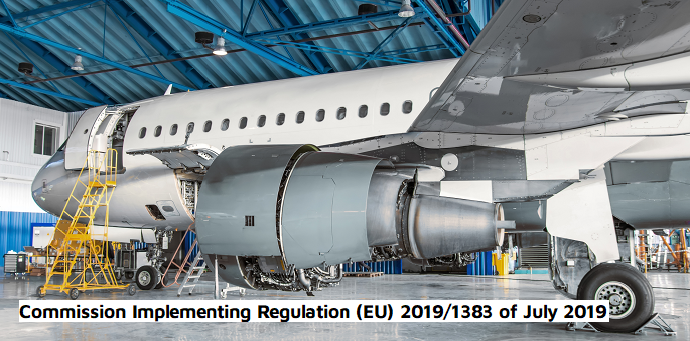
Presented by Sofema Aviation Services (SAS) a) The continuing airworthiness of aircraft shall be ensured in accordance with the requirements of Annex I (Part-M), except for to which the requirements of Annex Vb (Part-ML) shall apply. b) The requirements of Annex Vb (Part-ML) shall apply to the following other than complex motor-powered aircraft: i) aeroplanes…

Summary of EASA Implementing Changes Related to Regulation 1321/2014 (Regulatory Changes – 2018 – 2020)

read more
Regulation 1321/2014

July 14, 2020

Steven Bentley

Sofema Aviation Services (SAS) considers the amendments of Regulation 1321/2014 with COMMISSION REGULATION (EU) 2018/1142 of 14 August 2018  a) Establishes the implementing rules on the continuing airworthiness of aircraft and aeronautical products, parts and appliances and on the approval of organisations and personnel involved in these tasks. b) In order to ensure a high…