EASA regulatory requirements

EASA / UAE GCAA Compliance Quality Audit Considerations, How to Classify Findings Level 1, 2 & 3

read more

Classify Findings

August 31, 2021

Steven Bentley

Sofema Aviation Services (SAS) www.sassofia.com considers the process to classify findings during an audit. Introduction – Considering the difference between the different levels In just a few words let’s first consider From the Regulatory Point of View: Level 1 needs to be addressed immediately. (There needs to be a reason – typically related to Safety)…
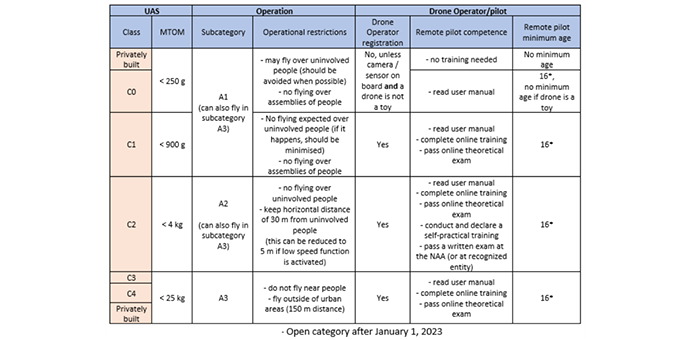

Considering EASA Regulatory Requirements for Unmanned Aircraft Systems (UAS) – Drone Systems

read more
Unmanned Aircraft

April 15, 2021

Steven Bentley

Sofema Aviation Services (SAS) www.sassofia.com considers the regulatory framework for managing Unmanned Aircraft Systems – Drones, within the European Regulated Airspace. Introduction to Commission Implemented Regulation (EU) 2019/947 Primary Considerations EU issues the following: (Guidelines are redacted for ease of understanding) All UAE are eligible to operate within EU airspace, however should comply with all compliance rules…

EASA Part CAMO Human Factors & SMS Combined Training

read more
EASA Part CAMO

August 26, 2020

Steven Bentley

SofemaOnline (SOL) www.sofemaonline.com – answers the following questions related to EASA Part CAMO HF & SMS training Why is EASA CAMO Human Factors Training 3 days when for EASA Part 145 HF Initial is typically only 2 Days? What Makes EASA Part CAMO HF Training Different from EASA Part 145 Training? Is Part CAMO Human Factors &…

Audit Considerations Related to Compliance Monitoring System (CMS) for Approved Training Organisation (ATO)

read more
Compliance Monitoring

February 27, 2020

Steven Bentley

Sofema Aviation Services looks at EASA Regulatory requirements for ATO Compliance Systems. AMC1 ORA.GEN.200(a)(6) Management system COMPLIANCE MONITORING – GENERAL (1) Compliance monitoring The implementation and use of a compliance monitoring function should enable the organisation to monitor compliance with the relevant requirements of this Part and other applicable Parts. (1) The organisation should specify…

Privacy Overview

This website uses cookies so that we can provide you with the best user experience possible. Cookie information is stored in your browser and performs functions such as recognising you when you return to our website and helping our team to understand which sections of the website you find most interesting and useful.