SAS blogs

Why Design Engineers Must Prioritize EWIS During the Design Phase

read more
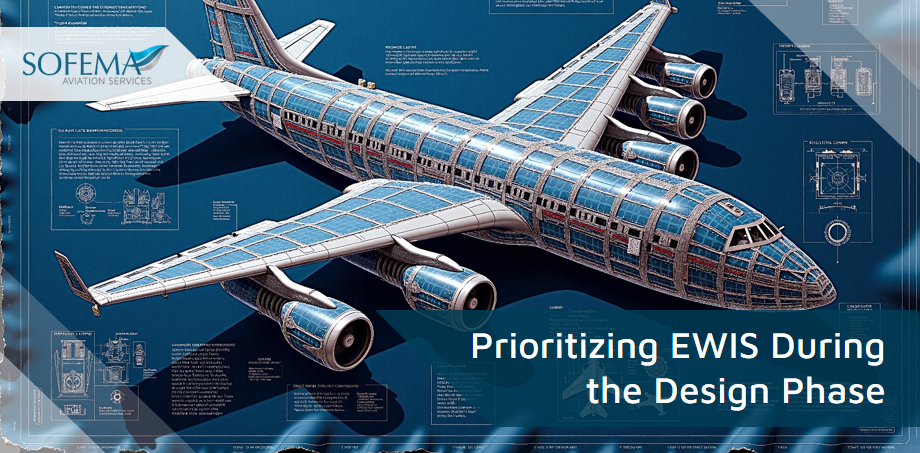
EWIS blog image

May 12, 2025

Steven Bentley

Sofema Aviation Services (SAS) considers key aspects related to EWIS Design Considerations Electrical Wiring Interconnection Systems (EWIS) are a critical safety component of modern aircraft. Historically overlooked or treated as secondary to other systems, poor EWIS design has contributed to multiple catastrophic failures (TWA 800 – Swissair 111 –United Airlines (UAL) Flight 811 usually with…
Detailed Requirements of Subpart L – Continued Airworthiness and Safety Improvements (14 CFR Part 91) – Ageing Aircraft

read more
Subpart L blog image

May 09, 2025

Steven Bentley

Sofema Aviation Services (SAS) considers the specific requirements of Part 91 Subpart L Introduction Subpart L of 14 CFR Part 91 focuses on maintaining the airworthiness and structural integrity of ageing aircraft. Below is a breakdown of the specific requirements: 91.1505 – Repairs Assessment for Pressurised Fuselages This regulation mandates repair assessments for specific pressurised…

The Rationale for EWIS Training Requirements (EASA and FAA)

read more
EWIS Training blog image

May 08, 2025

Steven Bentley

Sofema Aviation Services (SAS) takes a view on the key aspects that drove the regulatory requirement for EWIS Training FAA & EASA Electrical Wiring Interconnection Systems (EWIS) training requirements reflect lessons learned from accidents, research findings, regulatory studies, and industry experience. The overarching rationale is to ensure the continued airworthiness and operational safety of commercial…

Engineering Perspective on EWIS Compliance – FAA, EASA CS-25, and AMC 20-21 Integration

read more
EWIS blog image

May 05, 2025

Steven Bentley

Sofema Aviation Services (SAS) considers key aspects related to EWIS Design Considerations Introduction As aircraft systems continue to evolve, the complexity and safety-critical nature of Electrical Wiring Interconnection Systems (EWIS) demand a robust and harmonised regulatory approach. Recognising this, both the Federal Aviation Administration (FAA) and the European Union Aviation Safety Agency (EASA) have issued…