Airworthiness

STC Risk-Based Validation FAA, EASA, TCCA, and ANAC

read more
STC

February 20, 2026

Steven Bentley

Sofema Aviation Services (SAS) Considers the Bilateral Treatment of STCs. The goal of the Certification Management Team (CMT) is to move away from “proving safety twice” (once to the FAA, once to EASA) and toward a system where the Validating Authority (VA) trusts the Certifying Authority (CA) completely. Here, we provide a detailed breakdown of…
Mastering Global Aviation Compliance: New EU–USA, Canada & Brazil Bilateral Agreements Training Launched

read more
Bilateral Agreement

February 11, 2026

Steven Bentley

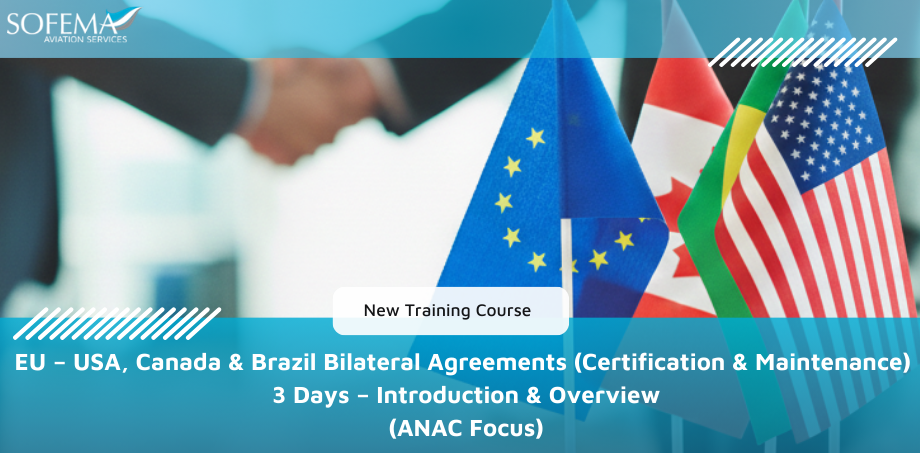
Sofema Aviation Services (SAS) is pleased to share that a new course has been added to our training portfolio: EU – USA, Canada & Brazil Bilateral Agreements (Certification & Maintenance) –3 Days – Introduction & Overview (ANAC Focus) Available as a Classroom or Webinar training* – Register at [email protected] *New – Participants can now enrol Free of Charge (FOC) in…

Complying with EASA Part IS Requirements – How to Define Aviation Critical Systems and Aviation Critical Security Patches.

read more
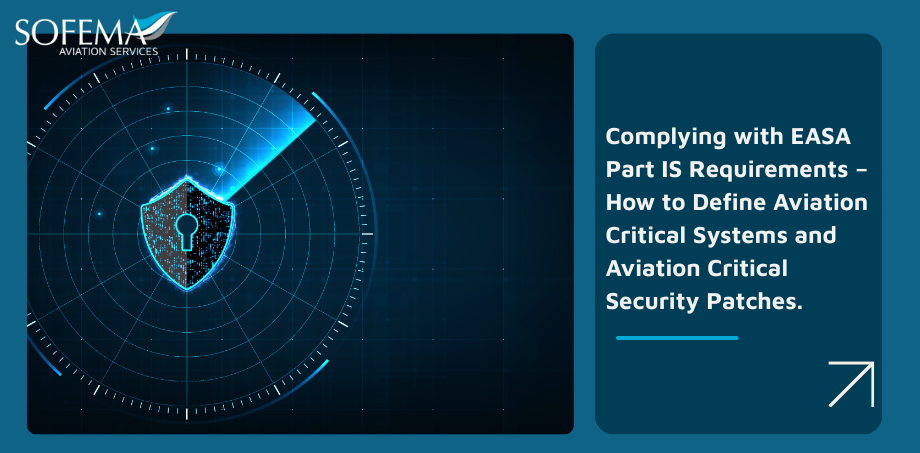
An educational graphic by Sofema Aviation Services regarding EASA Part-IS compliance, featuring a digital radar screen and a glowing blue security shield with a keyhole icon.

February 02, 2026

Steven Bentley

Sofema Aviation Services (SAS) considers key aspects of EASA Information Security & Cyber System (Critical System & Critical Patch Considerations) Based on the need to ensure compliance with EASA Regulations and the Information Security Management Manual (ISMM), the following criteria define Aviation Critical Systems and Aviation Critical Security Patches. Critical System – Impact on Safety/Airworthiness; RPO ≤ 24 Hours;…

ICAO Annex 6 – Article 83bis Implications and the “Safety Oversight of the State of the Operator.”

read more
83bis

January 22, 2026

Steven Bentley

Sofema Aviation Services (SAS) considers the role and purpose of ICAO Article 83bis. Introduction ICAO Annex 6 (Operation of Aircraft) is fundamentally built on the principle that the State of the Operator is responsible for the safety oversight of air operations. However, the Chicago Convention originally placed primary responsibility on the State of Registry. This creates a legal and…

Privacy Overview

This website uses cookies so that we can provide you with the best user experience possible. Cookie information is stored in your browser and performs functions such as recognising you when you return to our website and helping our team to understand which sections of the website you find most interesting and useful.