sasblogs

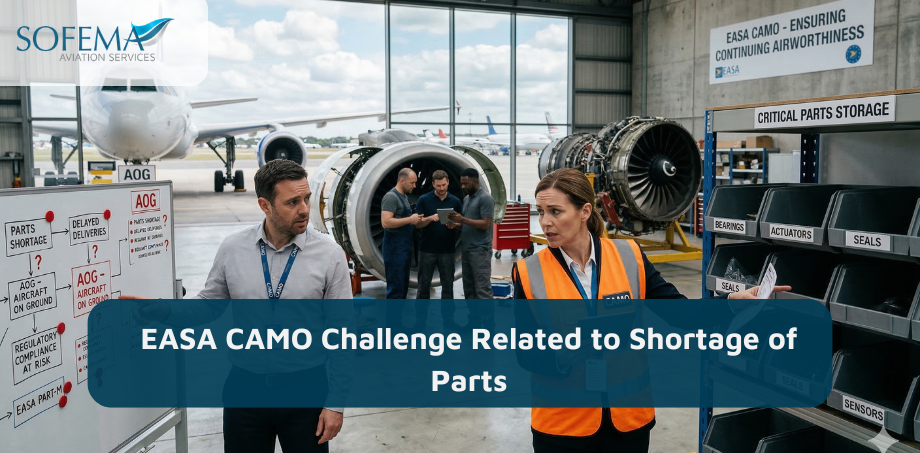
EASA CAMO Challenge Related to Shortage of Parts

read more
EASA CAMO Challenge Related to Shortage of Parts

March 11, 2026

Steven Bentley

Sofema Aviation www.sofemaaviation.com considers the relationship between parts availability and MEL usage and variations, how to manage this problem compliant with SMS ALARP   Introduction – The Operators Triple Threat The Financial Burden of Surplus –When a business over-invests in inventory to avoid AOGs, it creates a “material cost” burden. As well as the initial purchase price…
Bilateral Considerations – To Discuss EASA Part 145 and TCCA CAR 573 & CAR 521

read more
Bilateral image

March 04, 2026

Steven Bentley

The European Union and Canadian Regulatory landscape is governed by the EASA-TCCA Bilateral Aviation Safety Agreement (BASA). Both agencies rely on a Maintenance Agreement Guidance (MAG) document to bridge the small gaps between EASA Part 145 and TCCA CAR 573 / CAR 521 Initial Airworthiness: Design and Production Under the BASA, the Technical Implementation Procedures (TIP)…

Case Studies: Aviation Cybersecurity Breaches Affecting Commercial Aircraft Operators

read more
Cybersecurity Breaches blog image

May 20, 2025

Steven Bentley

Sofema Aviation Services (SAS) considers several examples of Cybersecurity Breaches Introduction The following examples illustrate how vulnerabilities, whether in operations, IT infrastructure, or third-party systems, can impact aviation safety, continuity, and reputation. British Airways Data Breach (2018) Type: Data Theft Impact: 500,000 customer records compromised Method: Injection of malicious code via third-party scripts on the website and mobile…

Contracting Considerations for Cyber Risk Management (IS.I.OR.235)

read more
Cyber Risk blog image.

April 08, 2025

Steven Bentley

Sofema Aviation Services (SAS) considers key aspects related to the Information and Cyber Risk organisational exposure resulting from contracting activities To proactively manage cybersecurity risks through clear contractual arrangements, aviation organizations ensure they meet EASA requirements, mitigate risks, and contribute to overall aviation system security and safety. Organizations should: Review existing contracts for compliance gaps…